
Unfortunately there is one set of private interests who want to profit from public lands while limiting your access and another set of extreme groups want to outright privatize your public land.
- The American public should not lose access to vast tracts of public land they own because they can't pay fees.
- Public lands fee programs are a foot in the door to public/private partnerships and further restricted access.
Public Lands are an inherent part of the fabric of America. Our culture, experience, freedom, and history are intertwined with this heritage.
Our vast public lands are one of the best things about our country and set it apart from most countries of the world.
But it is under attack from greedy special interest groups who have various goals, including resource extraction, lucrative “public/private partnerships”, and outright privatization, which means zero access.
Public/private partnerships are actually already here—and they are only the beginning of a slippery slope. In 2011 80% of campground campsites on Forest Service land were already privately managed(*) and the trend is continuing. Fees on Public Land are being used to blaze a path toward over-development on American’s national heritage, while making access harder and more expensive.
Public Land fees create a private enterprise model on public lands. This path will not end well for the public, or the land.
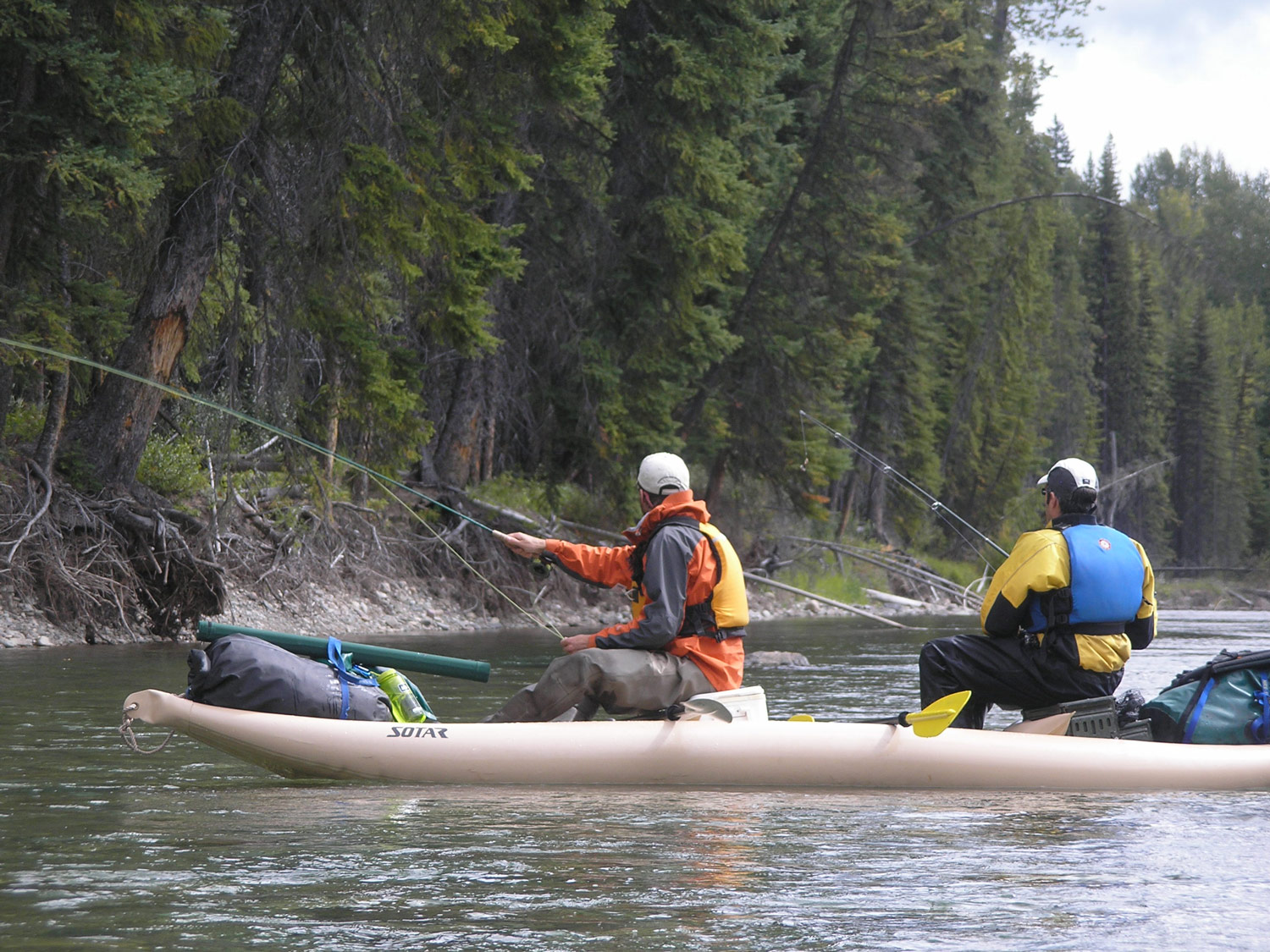
At first it may be hard to understand how public land fees could benefit private companies. Fees are a foot-in-the-door for privatizing facilities and adding other private enterprise, as well as creating a consumer-based recreation experience on public lands—training the public on a new public land experience far different than the one we've come to love. One where we are expected to pay for outdoor recreation and for it to include commercial elements.
Direct fees charged for access are collected by private entities interested in profit margins. Infrastructure development enhances opportunities for more full-featured moneymaking endeavors. Companies want the public to expect more amenities and development, to be allowed to participate in more impactful activities, and expect services and cleanup—generally a "pay-for-play" experience.
Outdoor equipment manufacturers and especially companies that specialize in motorized equipment such as RVs, off-road vehicles, and snowmobiles feature prominently in supporting public land fees.
There is no question that corporate interests are primarily behind public land fee programs—it is well documented. The primary front group for these interests has been the American Recreation Coalition (ARC).
“ARC members have a very strong interest in fees at federal recreation sites and played a key role in the creation of the National Recreation Fee Demonstration Program.” -- Christine Jourdain, former board of directors of ARC and ED of American Council of Snowmobile Associations(*)
The ARC sees a future and it is a motorized—a playground with increased development and amenities for a paying public.
The Forest Service and other agencies should not cross the line between treating the public as consumers (not citizens) and the land as a product (and not our natural and national heritage).